The Way We Honored My Mother Made Me Think
Why is it easier for us to come together to celebrate a life after it has ended than it is to come together to build wealth while we are still living?
My mother was a fashionista.
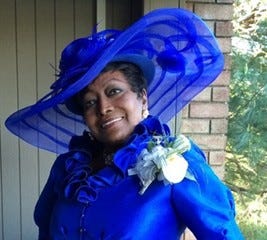
She loved to dress, and because she loved to dress, she loved to shop. Presentation mattered to her. Style mattered. Looking good was not optional—it was part of how she moved through the world. She had a way of being remembered—not just for how she looked, but for how she made people feel.
When I launched DFREE® in 2005, she came to hear me speak at one of my early events. At the time, the book was titled dfree: Breaking Free From Financial Slavery, and I was introducing people to a different way of thinking about money—eliminating debt, living by a budget, and avoiding spending driven more by appearance than by purpose.
She listened. And when I finished, she gave me her honest response.
She told me she would never attend another DFREE® event. And she didn’t.
That moment has stayed with me—not because she rejected the message, but because she represented something real. People make financial decisions based on what they value, what brings them joy, and how they see themselves in the world. For my mother, looking good was part of her joy.
We didn’t always agree on money.
But we loved each other through it.
And when she passed, that love showed up in a powerful way.
The five of us that she raised—my two siblings and two first cousins—made a decision quickly and without hesitation: we would give her a spectacular homegoing service. We agreed to spare no expense in celebrating her life.
And that is exactly what we did.
For the eulogy we brought in Rev. Dr. Marcus D. Cosby, one of the most respected preachers in America from Houston, Texas. We had two family friends and very popular singers minister in song—Kathy Taylor and Elder Lorraine Stancil. Every detail was thoughtful, coordinated, and intentional - reflecting the kind of dignity, excellence, and love that she deserved.
There was no debate. No hesitation. No confusion.
We organized. We planned. We contributed.
And we executed—together.
And as I reflected on that moment, I realized something that has stayed with me.
What we did was not unusual. It is part of our religious and ethnic culture.
In Black communities, when someone passes, we come together. We organize, we plan, we contribute, and we execute. Raising significant resources in a short period of time is not a challenge when the purpose is clear.
We know how to do this.
The question is: why do too many of us we wait until death occurs to do it?
Why is it easier for us to come together to celebrate a life after it has ended than it is to come together to build wealth while we are still living?
If we can mobilize resources to create a beautiful homegoing, we can mobilize those same resources to create opportunity. We can invest together in real estate. We can fund businesses together. We can build assets that outlive us.
The capacity is already there. What we need is a shift in focus.
As we enter Financial Literacy Month, I find myself thinking less about whether people understand financial principles and more about whether we are willing to apply what we already know—together.
There are examples all around us. Organizations like Delta Sigma Theta Sorority, Inc. have created platforms including their Delta Red Pages Business Directory and Delta Red Tank Competition that support collective economic activity. Churches like Salem Baptist Church of Chicago have demonstrated what coordinated effort can accomplish in support of Black owned businesses through its Spend in the Black initiative. Businesses like Compassionate Transport Services show how a small group can come together to achieve ownership by purchasing an existing business and meet a need.
These are not isolated successes.
They are models. And they can be replicated.
My mother may not have embraced my financial message the way I would have preferred. But in the way we came together to honor her, she reminded me of something even more important.
We already have the ability to act collectively with purpose and urgency.
The question is whether we will use that same energy to build—not just to celebrate after something is over, but to create something that lasts.


Great article and question. This question would make a great roundtable discussion or for a Family Reunion planning session.
I ask that same question all the time. I say often, if you can't come see me while I'm alive, please don't come view me when I'm not. I just don't get it. Please let us know when you get an answer.