

I set it up so that my deacons could correct me. That was on purpose. When I became pastor of First Baptist Church of Lincoln Gardens, we proposed a new constitution and bylaws to the church, and the church adopted them. Those bylaws put the deacons in a position to evaluate and hold the pastor accountable. The deacons were not going to only be my cheering section. They were going to be my accountability partners. I wrote it that way. I meant it. I just did not know how it would feel the first time they used it.
One Sunday I was frustrated. I had been promoting something, an initiative, a program, I don’t even remember now what it was. What I remember is the numbers. People from outside our church were signing up. People who had never been members, who had never put a dollar in our offering plate, were saying yes. And our own members, the folks I saw every week, the folks I had married and buried and baptized, were not. The outsiders were more enthusiastic than the insiders. That ate at me.
So that morning I broke the flow of the service. Our worship had a rhythm: praise, prayer, announcements, offering, sermon. Everybody knew it. Somewhere in that rhythm, before I ever got to the sermon, I stopped the service and fussed at the whole church. I told them what I thought about their lack of participation. I told them strangers cared more about our work than they did. I was hurt and I dressed the hurt up as a prophetic word. It was not a prophetic word. It was a tantrum with a microphone.
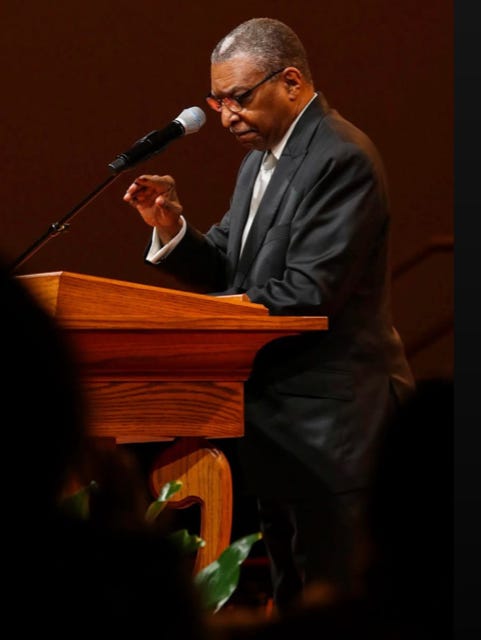
A small delegation of the deacons came to me afterward. The leaders. Not in the hallway. Not in passing. They asked to meet with me. And they told me that my condemnation delivered from the pulpit on Sunday morning was wrong.
They were correct. I was wrong for at least three reasons.
First, there were people in those pews who had already said yes to that initiative. They had signed up. They had shown up. They were participating. And they sat there that Sunday and listened to their pastor berate the room as though nobody had done anything. My rant erased them. The people who deserved my gratitude got my anger instead because I lumped them in with everybody else. That is a terrible thing to do to a faithful person.
Second, people do not come to church to get beat up. They come carrying enough already. A woman who has worked a double shift and dragged three children to the service did not come to hear a list of the things she failed to do that week. She came for a word. She came for some hope. She came for a reason to get up on Monday. I used the pulpit that morning to unload my frustration on her. That is not what the pulpit is for. That is what a journal is for. That is what a prayer closet is for. The pulpit is sacred space and I treated it like a complaint window.
Third, I did not know what was going on in those people’s lives. I assumed that if they were not participating it was because they did not care. That was arrogant. Some of them were caring for sick parents. Some were working two jobs. Some were going through things they had never told me about and never would. My priorities as the pastor were not automatically their priorities, and their reasons for not jumping on my latest project were none of my business unless they chose to make them my business. A pastor’s initiative is one more thing on a long list of things people are managing. I forgot that.
Those deacons did not shame me. They did not threaten me. They told me the truth and they let me sit in it. I apologized to the church. And I learned a lesson I never forgot. The pulpit is not for fussing. It is not for chastising. It is for encouragement. It is for hope. And mostly it is for instruction. People need to be taught. They do not need to be scolded. A pastor who cannot tell the difference will eventually empty a church, and he will blame the people on his or her way out.
I want to say something about those deacons. I had the authority to ignore them. I had the title and I had the microphone and I had the respect of most of the congregation. I could have told them I was the man of God and they were out of line. Plenty of pastors do exactly that. I have watched it happen. Churches have split over it. But we had written the structure that gave them standing to speak, the church had voted for it, and when they used it, the structure held.
Every leader needs people like that. Not people who agree with you. Not people who are on your payroll. People who are close enough to see you clearly and secure enough to tell you what they see. If you are a pastor and nobody in your church can tell you that you were wrong, you are not leading a church. You are running a fan club. If you are a CEO, a principal, a parent, the same thing applies. Find your deacons. Give them the authority to correct you before you need correcting. And when the day comes that they use it, thank God for them.
I still think about that Sunday. I was fortunate. Most people who go off the rails have nobody to pull them back on.