Tempted to Go Back to Work
Sometimes the most powerful ministry a church can offer is not another sermon. Sometimes it is a second chance.
I must confess something.
There is one ministry project from my years as a pastor that almost tempts me to come out of retirement. If someone told me we could do it again tomorrow, I might seriously consider putting the robe back on.
The project was called Fugitive Safe Surrender.
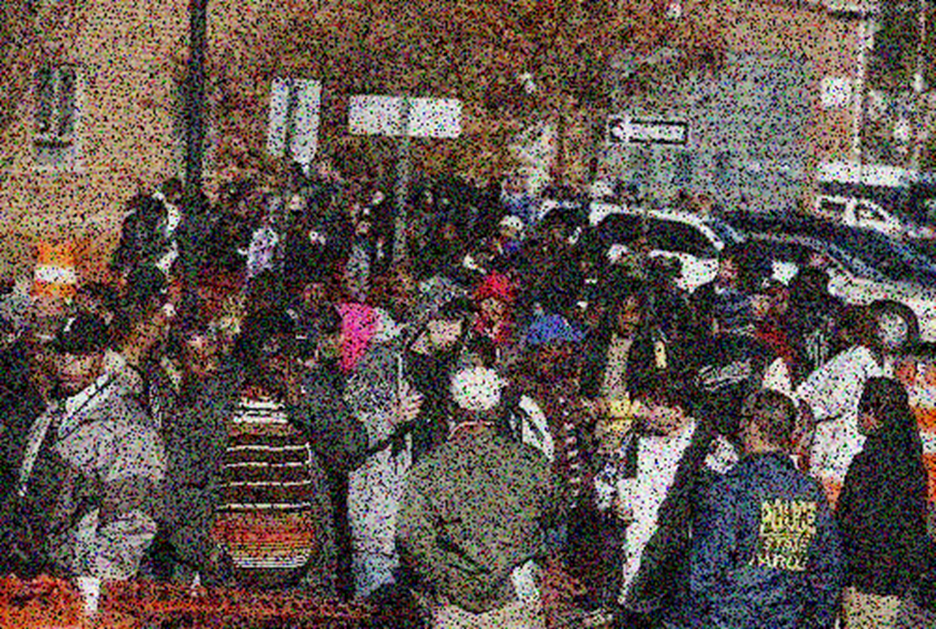
For three days our church became something few people ever expect a church to become - a place where people with outstanding arrest warrants could come voluntarily and resolve them in a safe and structured environment.
The first thing people noticed when they came for the event was the rain.
It rained hard for all three days.
And yet the lines to get into the church kept growing.
Men and women stood along the street, umbrellas and coats pulled tight, waiting for a chance many of them thought they would never have - a chance to clear warrants that had been hanging over their lives for years.
When they finally entered the church, the scene could easily have frightened them away. The lobby was lined with law enforcement officials sitting behind computers, searching records and identifying warrants. Police officers, prosecutors, court officials, and representatives from the U.S. Marshals Service were all present.
To someone living with an unresolved warrant, it was an intimidating sight.
Our church volunteers quickly realized their first responsibility was reassurance. They had to greet people and explain that this was not a trap. They were not walking into an arrest. They were walking into an opportunity.
Many of the warrants people carried had started as relatively small violations - missed court dates, traffic offenses, minor infractions. But over time the penalties and fees had ballooned into amounts that were impossible for many people to pay. Some people did not even realize they had warrants until the consequences appeared in a background check or a traffic stop.
Living with a warrant creates a quiet form of imprisonment. People avoid job applications, hesitate to travel, and live with the constant anxiety that an ordinary moment could suddenly turn into an arrest.
Fugitive Safe Surrender offered a different path.
Instead of waiting to be arrested, individuals could come to the church, locate all of their warrants, appear before a judge, and work through the process of resolving their warrants. In many cases fines were reduced or structured in ways people could realistically handle.
The projection was that we would help 2,500 people. By the end of those three days, close to 4,000 people had come through our doors.
Some of the stories remain vivid in my mind.
One woman drove all the way from Atlanta to participate. Her fines and penalties had grown to $3,300. After appearing before the court during the program, those penalties were reduced to $35 – the exact amount of her original parking violation. She could easily pay that amount and she did. She walked out of the church relieved and finally free from a burden she had carried for years.
Another young man resolved his warrants just as he was preparing to start his own business. What could have become a barrier to his future instead became a turning point.
The success of the project depended on partnership. Law enforcement agencies, prosecutors, the court system, the U.S. Marshals Service, and the church all worked together with a common purpose: justice that restored people rather than simply punished them.
For those three days the church became something beautiful to people who may have had had ugly experiences with churches.
It became a place where people confronted their past and walked away with a future.
And watching people stand in the rain for hours just to receive that chance reminded me of something I will never forget:
Sometimes the most powerful ministry a church can offer is not another sermon.
Sometimes it is a second chance.


