

A Change is Gonna Come?
I was 16 years old when I started fighting for a better park. The park on my side of town was inadequate at best. The parks on the other side of town looked like country clubs, with manicured green grass, beautiful tennis courts, amazing basketball courts and swimming pools. I wanted a park in my neighborhood that looked like a country club too. That desire took me to the people who had the power to build it. It was the city council. Then I had to learn how those people gained their power.
Thirty years later I had a deacon at our church who attended every city council meeting that took place. And he would regularly address the council on a variety of issues. When he rose to speak, he always identified himself as a Deacon from First Baptist Church of Lincoln Gardens. He was the epitome of civic engagement. Even when he went alone, using our church’s name told the council he had the support of our membership, and if necessary, he could produce all of us to flex our institutional muscle.
I encouraged all of our members to follow his example. Certain public officials had gone years without seeing anyone in the audience at their meetings, especially members of our community. At a few meetings my deacon advocated for the establishment of a municipal redevelopment agency that could coordinate with our church’s community development corporation as we had begun executing on a plan for neighborhood revitalization. The council ultimately accepted his proposal and we all celebrated the victory with him.
On Wednesday of this week, I did an interview with a national radio show to talk about what needs to happen now that the mid-term election is over and so many new and historic victories were won. Several questions came before the one I remember most. When the host finally asked how I came to know so much about politics, government and public policy, I gave the answer I have always given. I learned the system by fighting it starting at age 16.
It was thrilling to watch the enthusiasm for voting, especially among young voters. As a pastor I preached voter registration, voter education and the responsibility of voting from the pulpit for years. However, what I found lacking was civic education and civic engagement. Too many of our members did not know the difference between a member of the city council and a member of congress. So mobilizing people to vote must be accompanied by educating them on the processes and policies that are controlled by the people that win elections.
Those who celebrated electoral success this week will need to stay in the room where policy gets made. Too many people believe winning an election delivers the result they wanted. It rarely does. Policy is what happens after the votes are counted, in committee rooms and budget hearings, and that is where disappointment waits for those who stopped showing up once the cheering ended.
This was an historic election that resulted in unprecedented changes in representation. Now the work begins for those who supported this change.
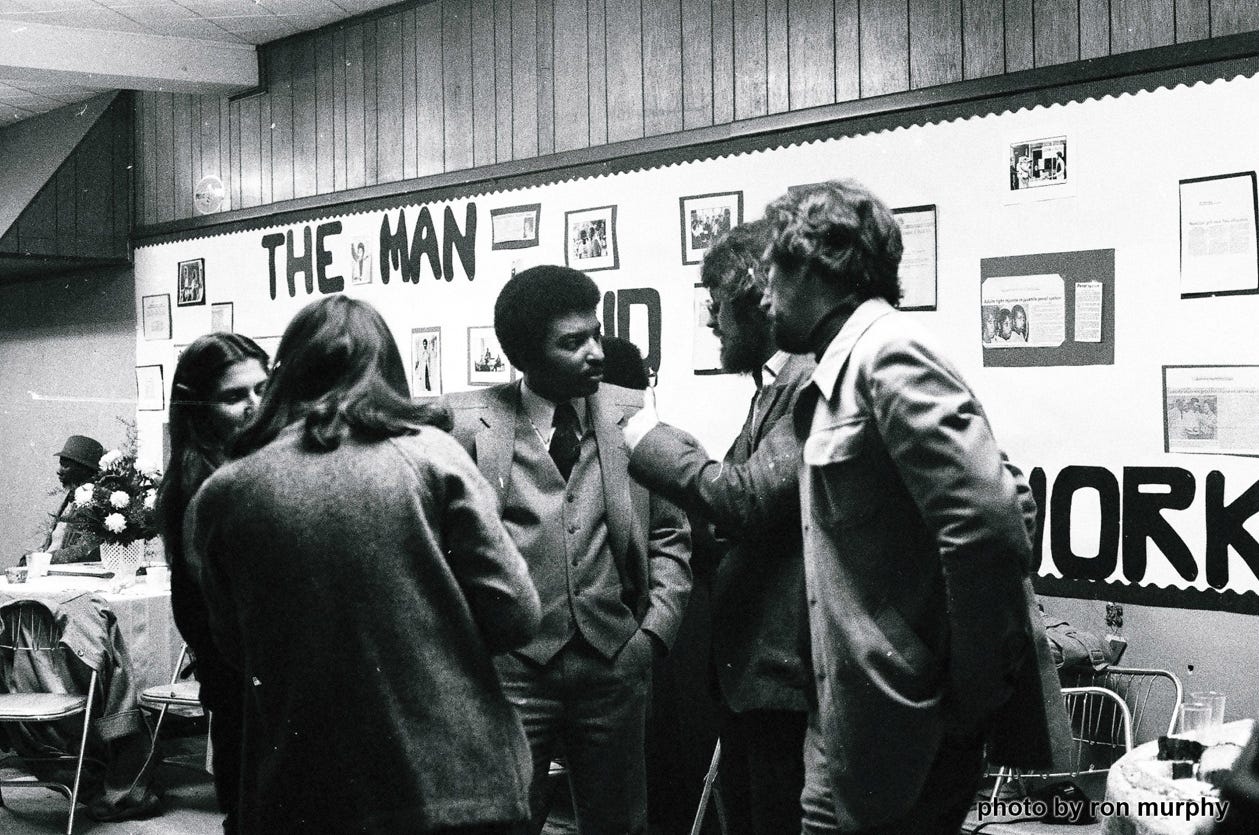
1976 Campaign Headquarters – Montclair, New Jersey